
“Oily skin doesn't need moisturizer.”
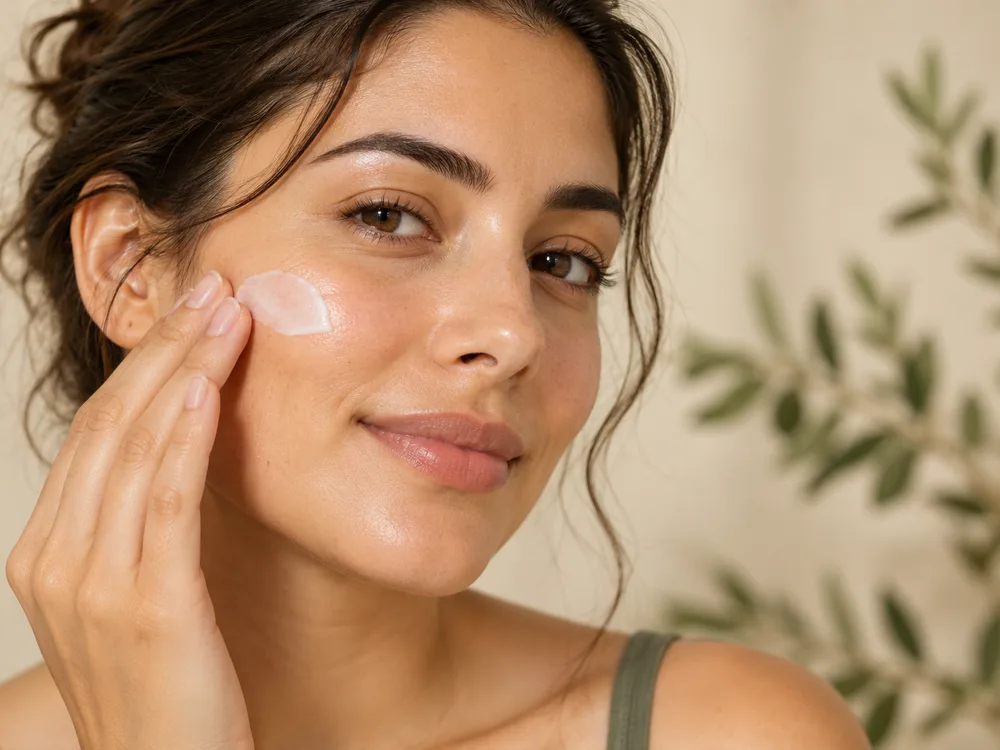
THE FACT
Oily or acne-prone skin can still feel dry, especially when using acne treatments. Look for a light, non-comedogenic moisturizer if you need one.
Feel more confident about what you put on your skin.
Inside, you’ll find skincare myths and facts, side-by-side product comparisons, simple ingredient explanations, and a guide to common skin concerns.
Start exploringFour common skincare ideas, with a little more context.
Oily or acne-prone skin can still feel dry, especially when using acne treatments. Look for a light, non-comedogenic moisturizer if you need one.
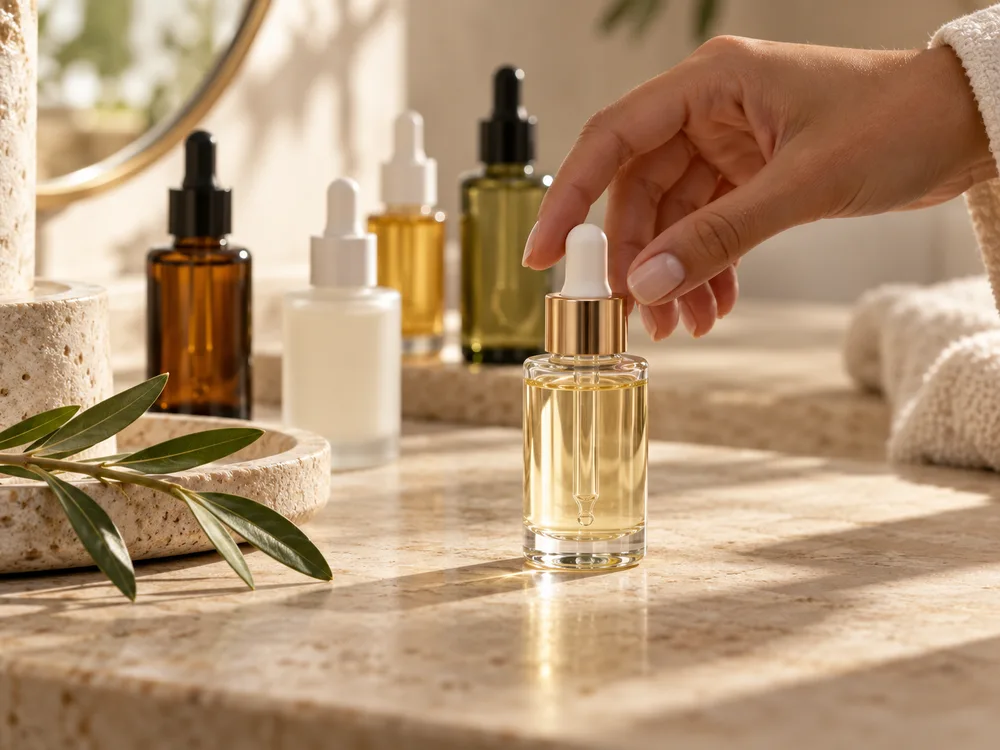
Adding several strong treatments at once can irritate your skin. Introduce one new active at a time and give it time to work.
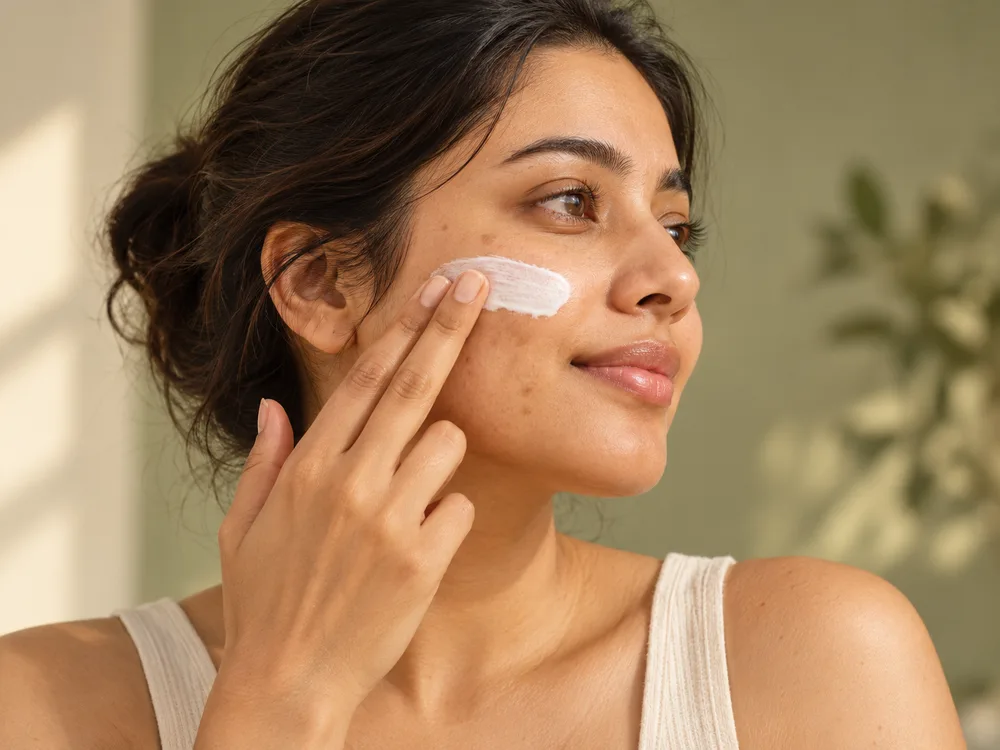
Daily sun protection is part of managing dark spots. A serum works alongside sunscreen, not in its place.

UV exposure happens on cloudy days too. When you're outdoors, use broad-spectrum SPF 30 or higher and reapply as directed.
Six side-by-side examples to help you compare what matters to you.
Mineral comfort or an invisible matte finish?
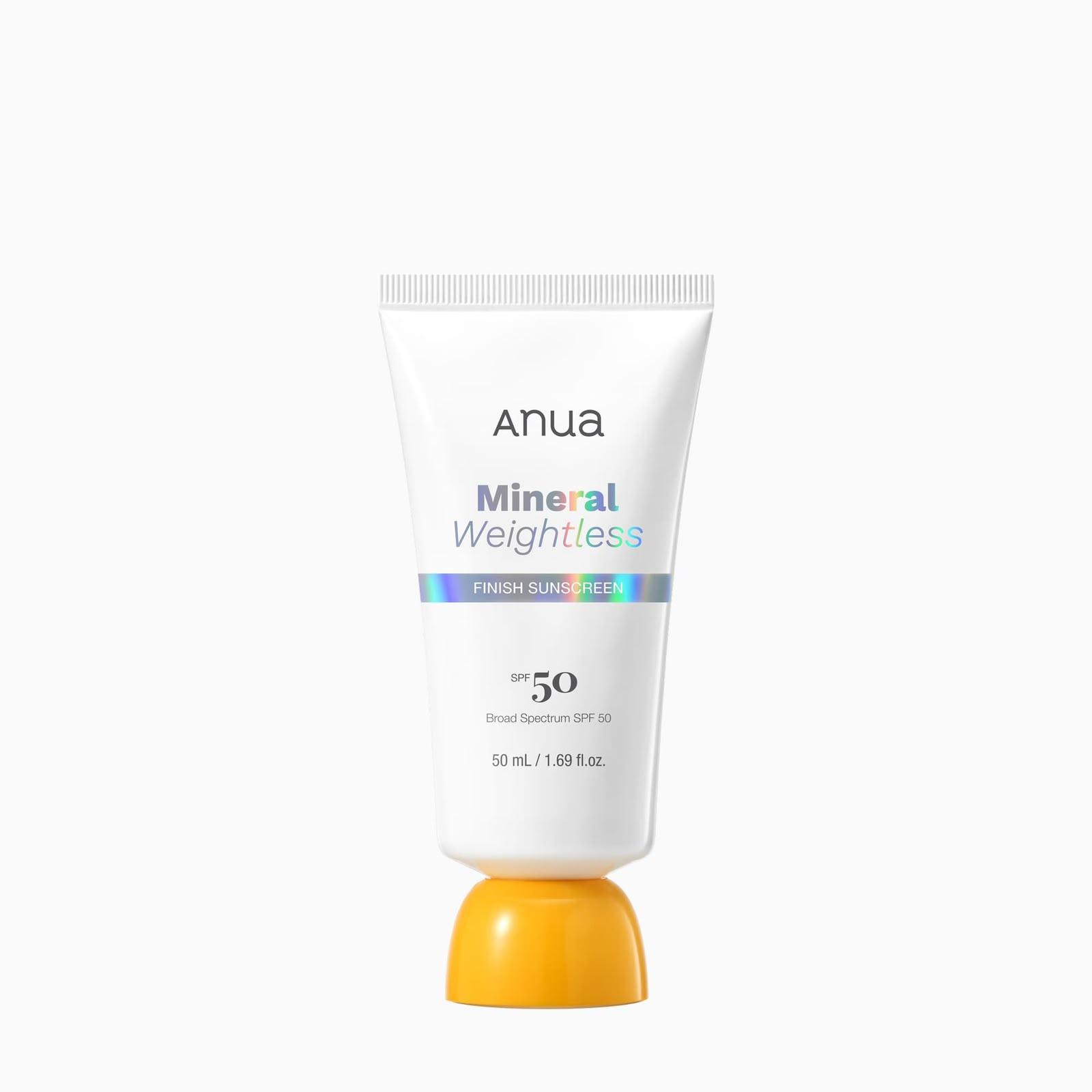
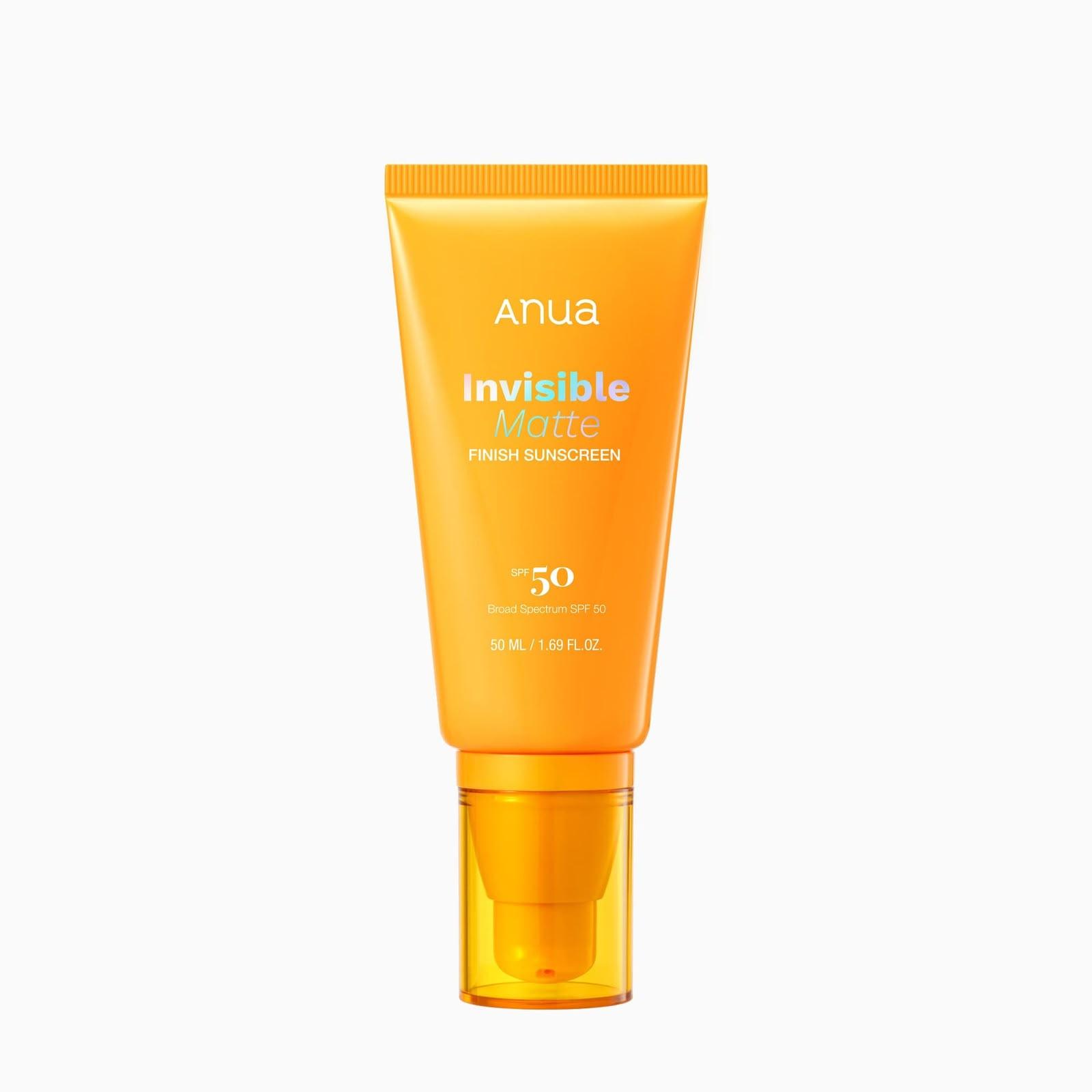
Both protect with SPF 50; the right finish is the one you'll wear generously every day.
New to retinol, or ready to step up?
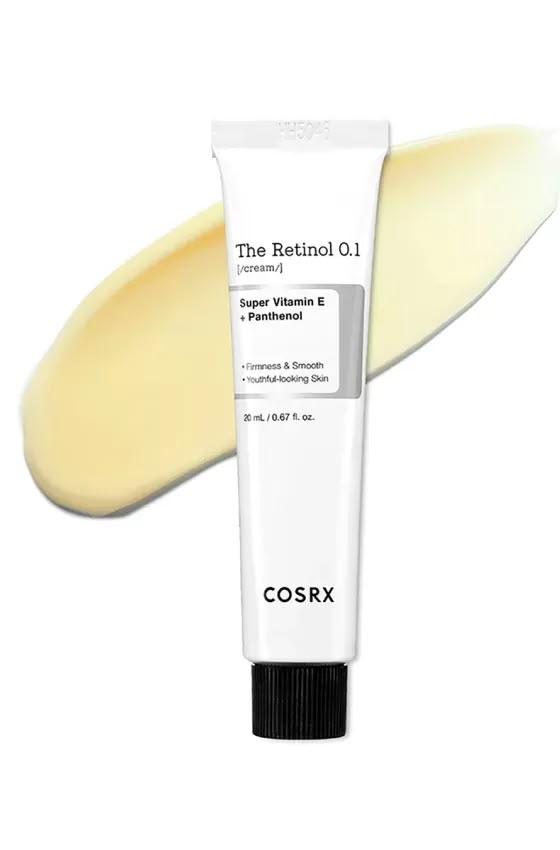
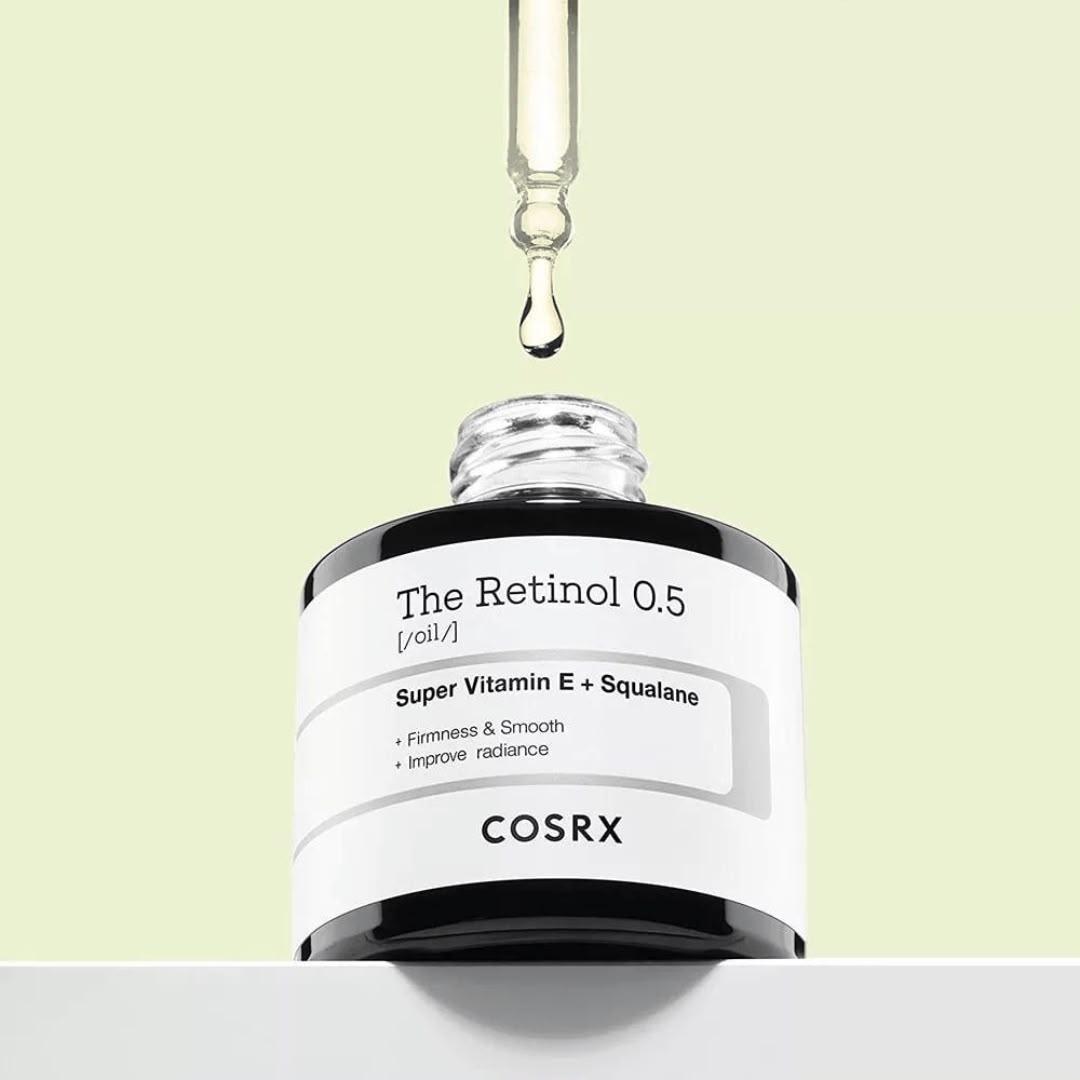
More retinol is not automatically better for every face. Your tolerance matters more than the number.
Pore-focused exfoliation or brighter-looking tone?
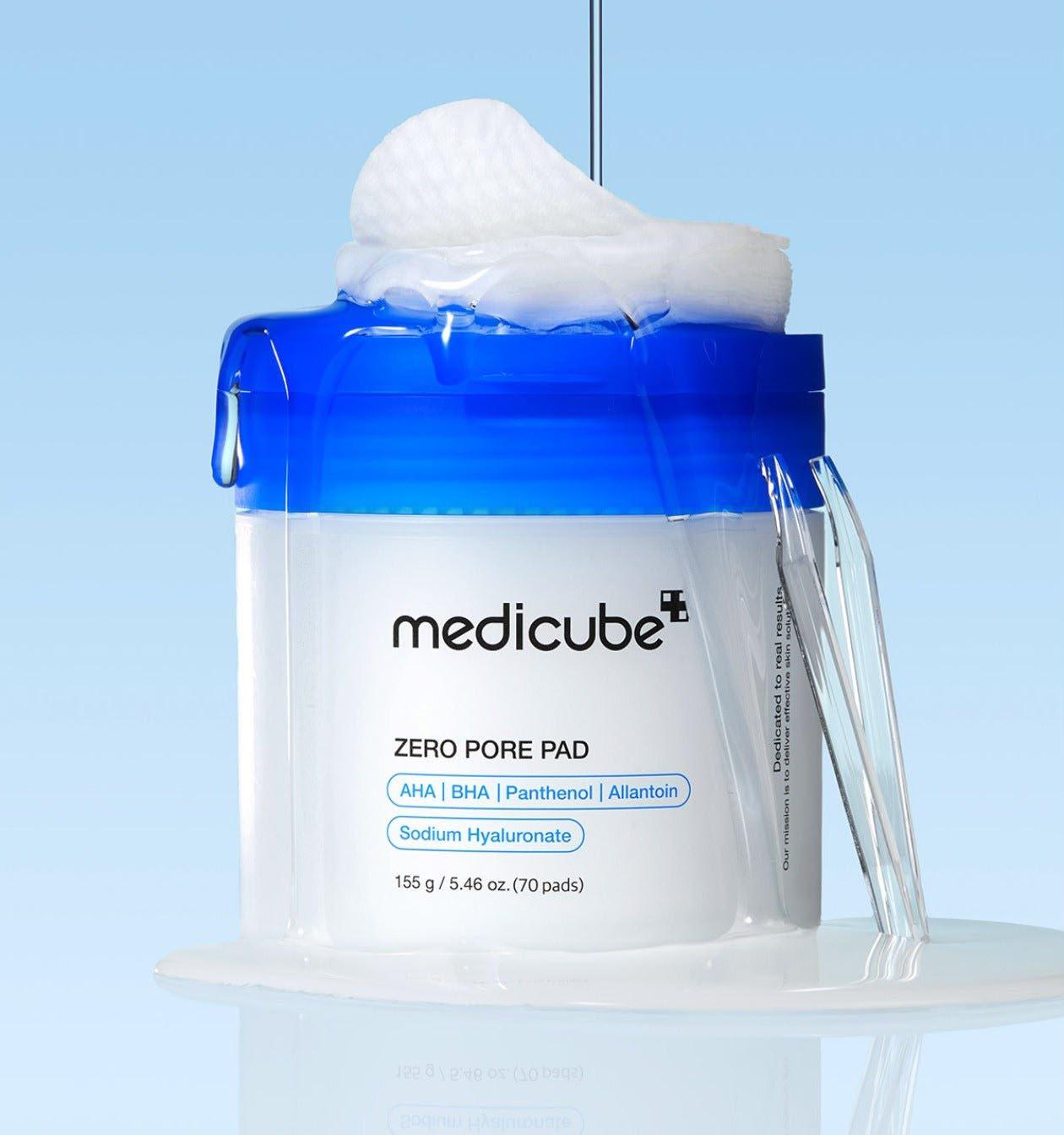
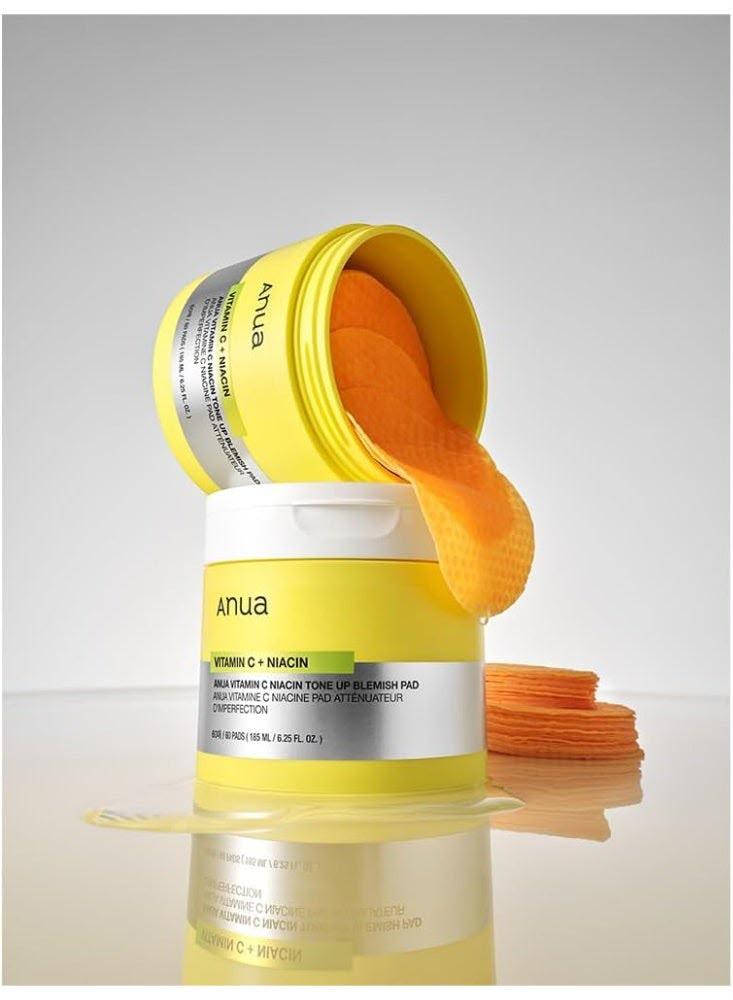
Both are toner pads, but Medicube is more pore-focused while this stocked Anua pad is more tone-focused. Do not use either to over-exfoliate.
Two brightening serums, but which formula fits?
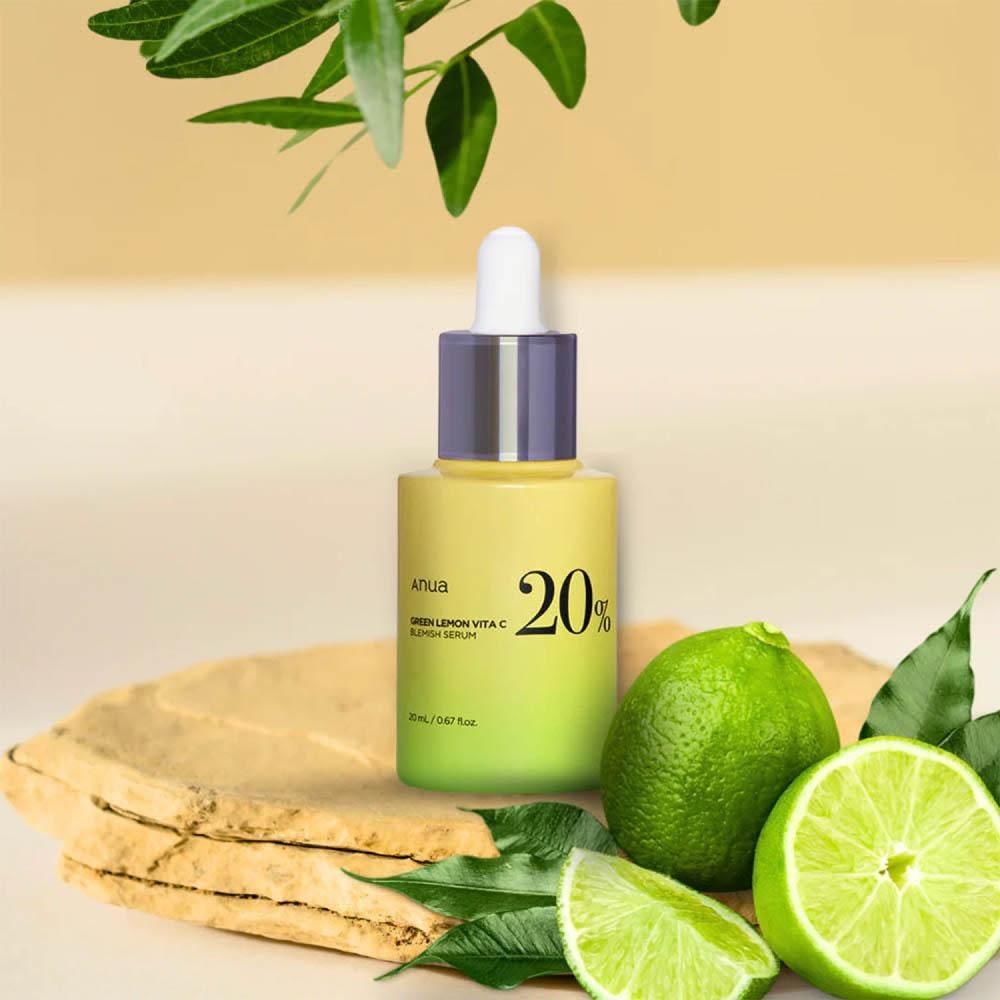
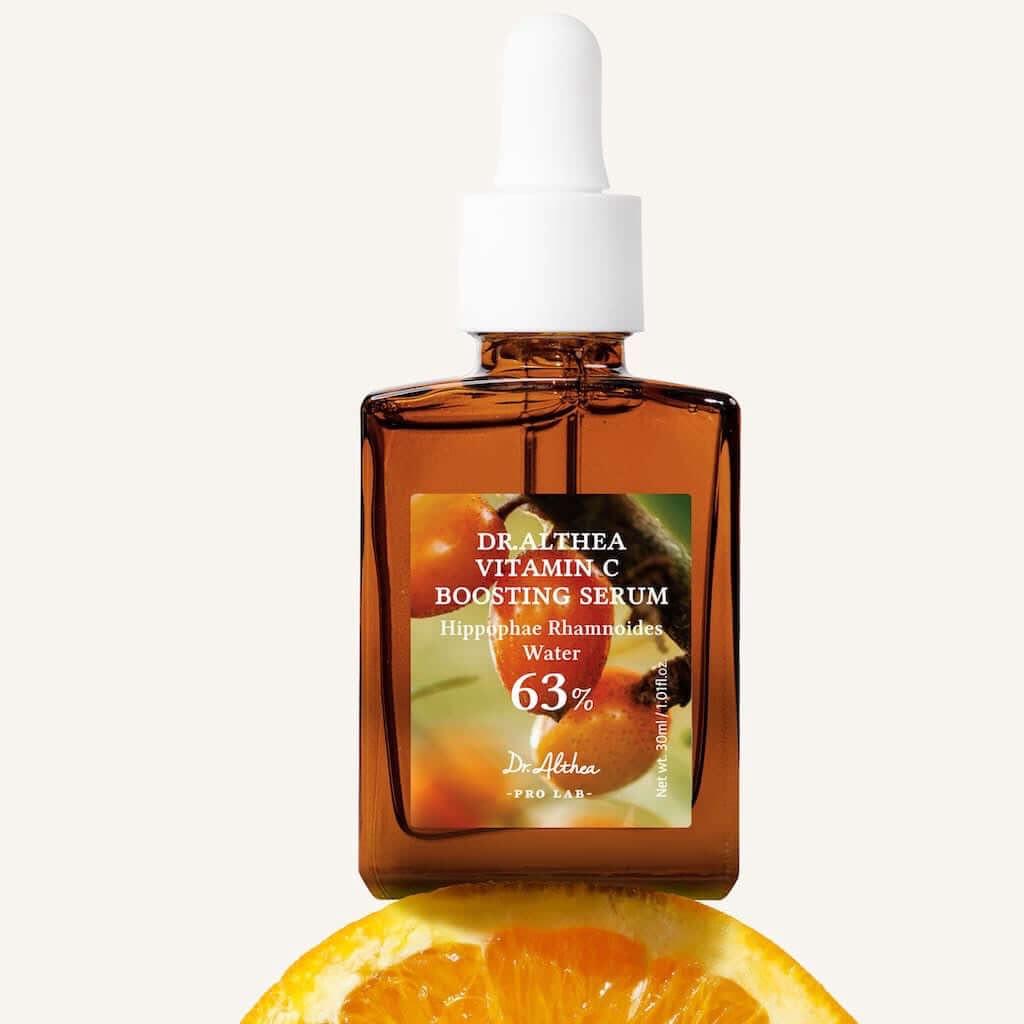
A shared “vitamin C” label does not mean equal strength. Check the exact bottle, full ingredients, and your skin's response.
Lightweight relief or richer barrier comfort?
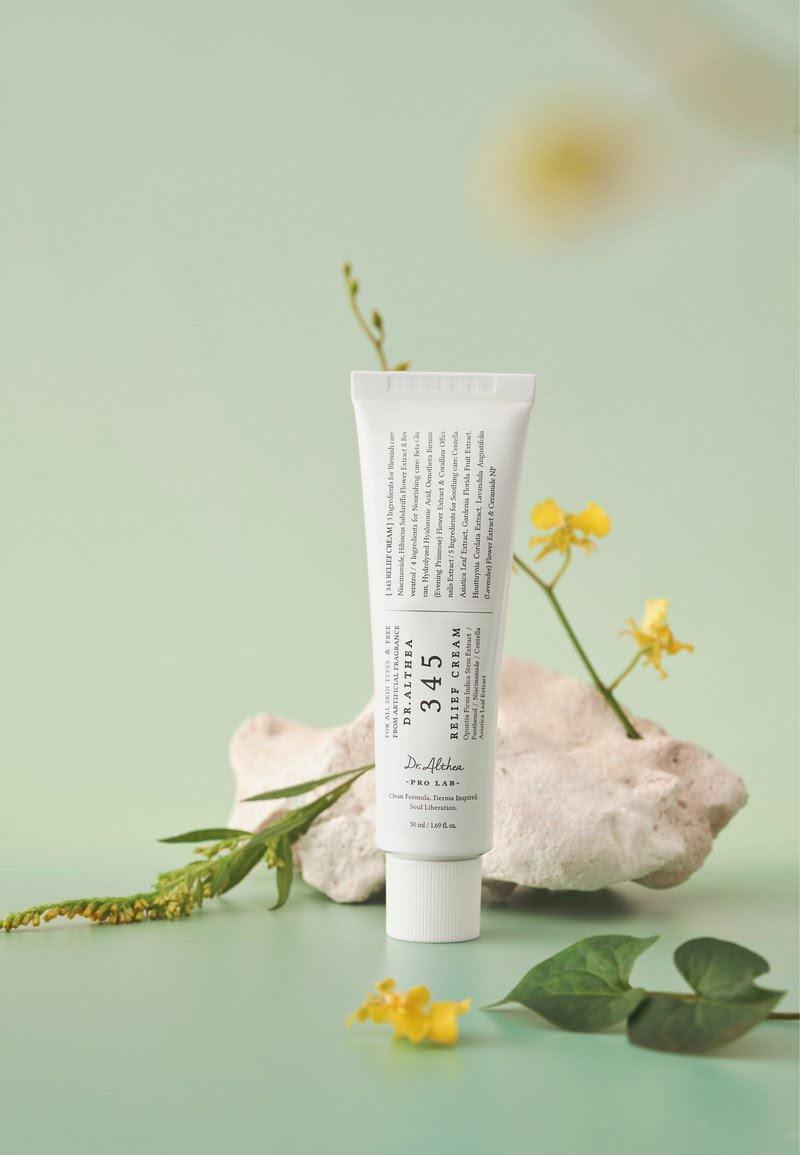
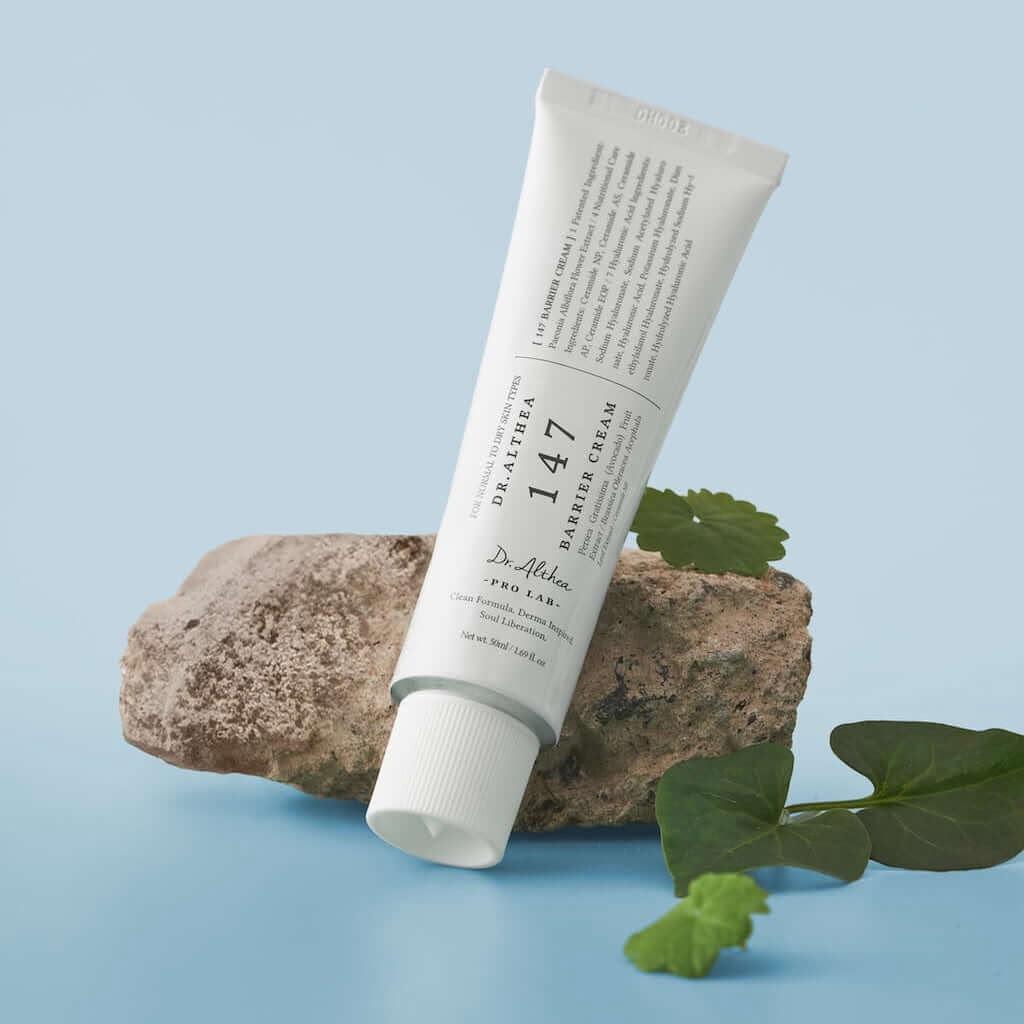
345 is the lighter choice; 147 is the richer one. They can also suit different times of day rather than being a universal winner.
Peptide hydration or a retinal-led eye routine?
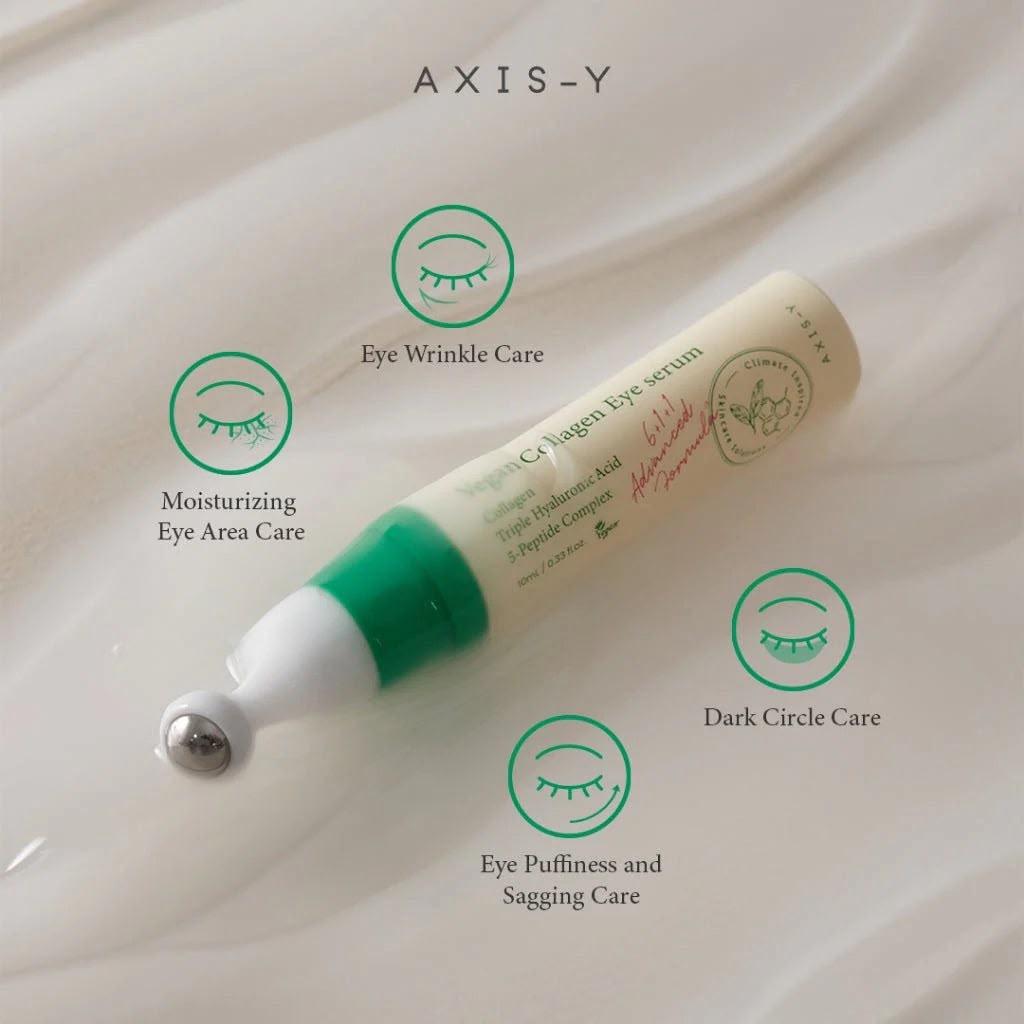
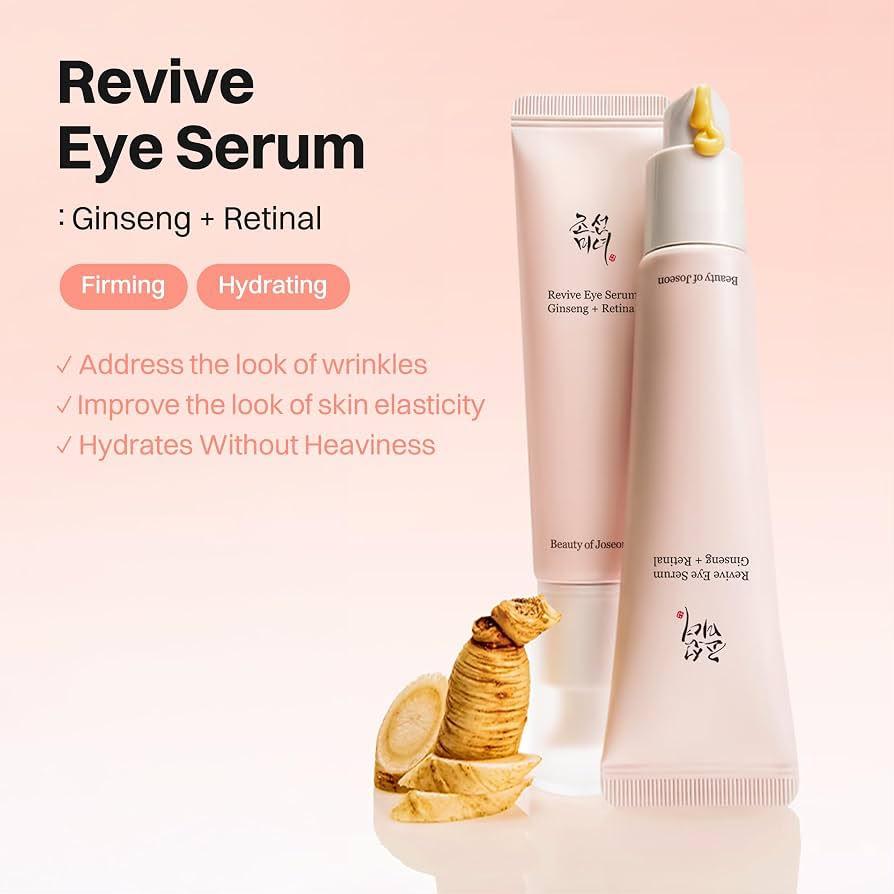
Choose AXIS-Y for a peptide-led, retinoid-free approach; choose Beauty of Joseon if retinal suits your routine and tolerance.
Prices shown are the current Zee Care catalogue prices. Formulas can change, so always check the packaging for ingredients and directions.
A plain-language look at six names you’ll see often, with a product example from our collection for each.
An antioxidant often used to improve the look of uneven tone and dark spots. Pair it with daily sun protection.
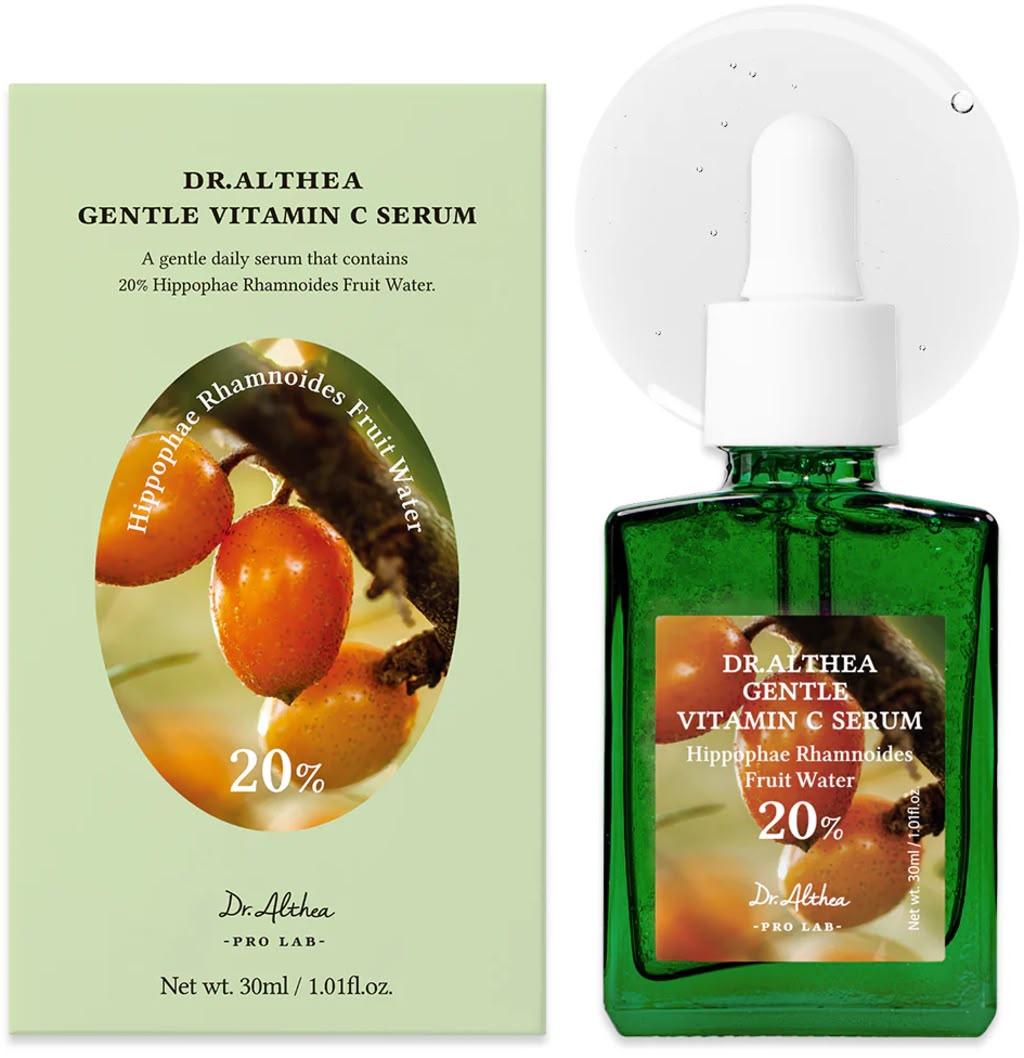 Dr. AltheaGentle Vitamin C Serum 30mlView product
An over-the-counter retinoid used for texture, fine lines, and uneven tone. Results build with consistent use.
COSRXThe Retinol 0.1 CreamView product A beta hydroxy acid that helps exfoliate inside pores. Often chosen for blackheads, whiteheads, and oily, acne-prone skin.
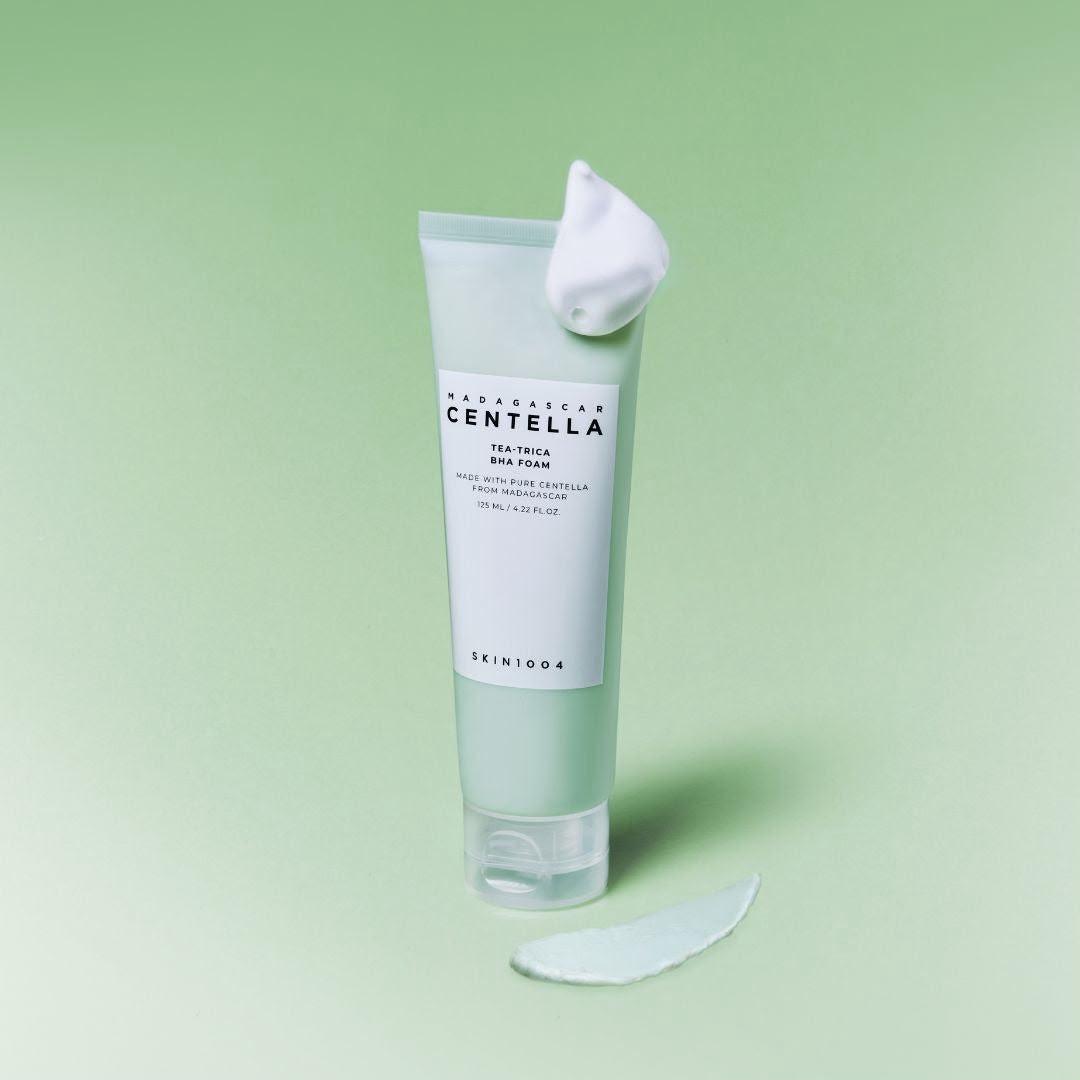 Skin1004Madagascar Centella Tea-Trica Bha Foam 125mlView product
Used for acne and the dark marks that can remain after a breakout. Available in different products and strengths.
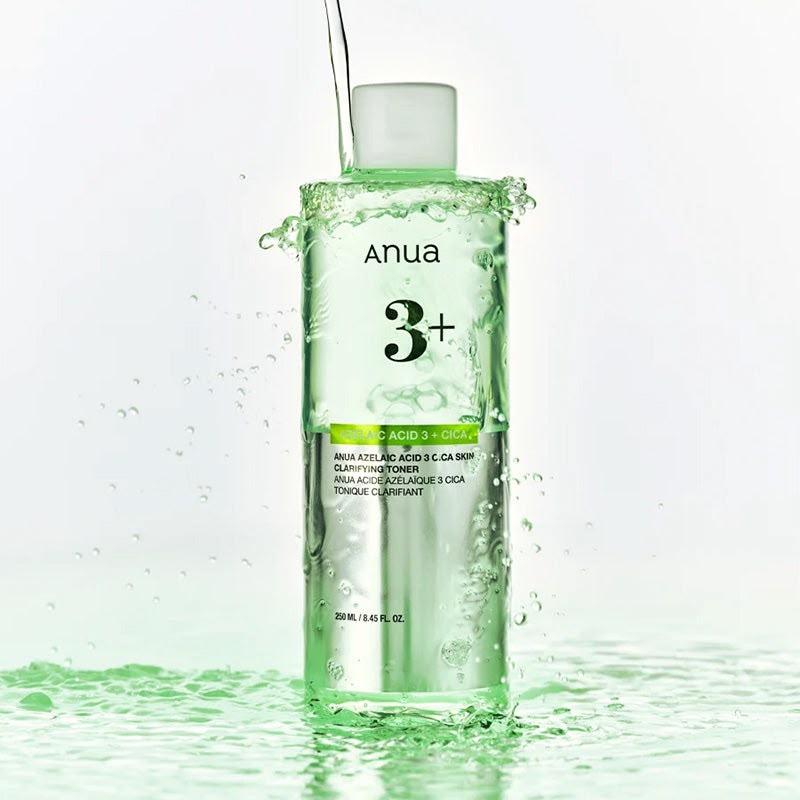 AnuaAzelaic 3 Cica Skin Clarifying TonerView product
Acretin is a tretinoin treatment, which is stronger and different from cosmetic retinol. It can be used for acne under medical guidance.
COSRXThe Retinol 0.1 CreamView product No tretinoin product is listed. This contains retinol, not Acretin.
A form of vitamin B3 used in many formulas for oily-looking skin, uneven tone, and skin barrier support.
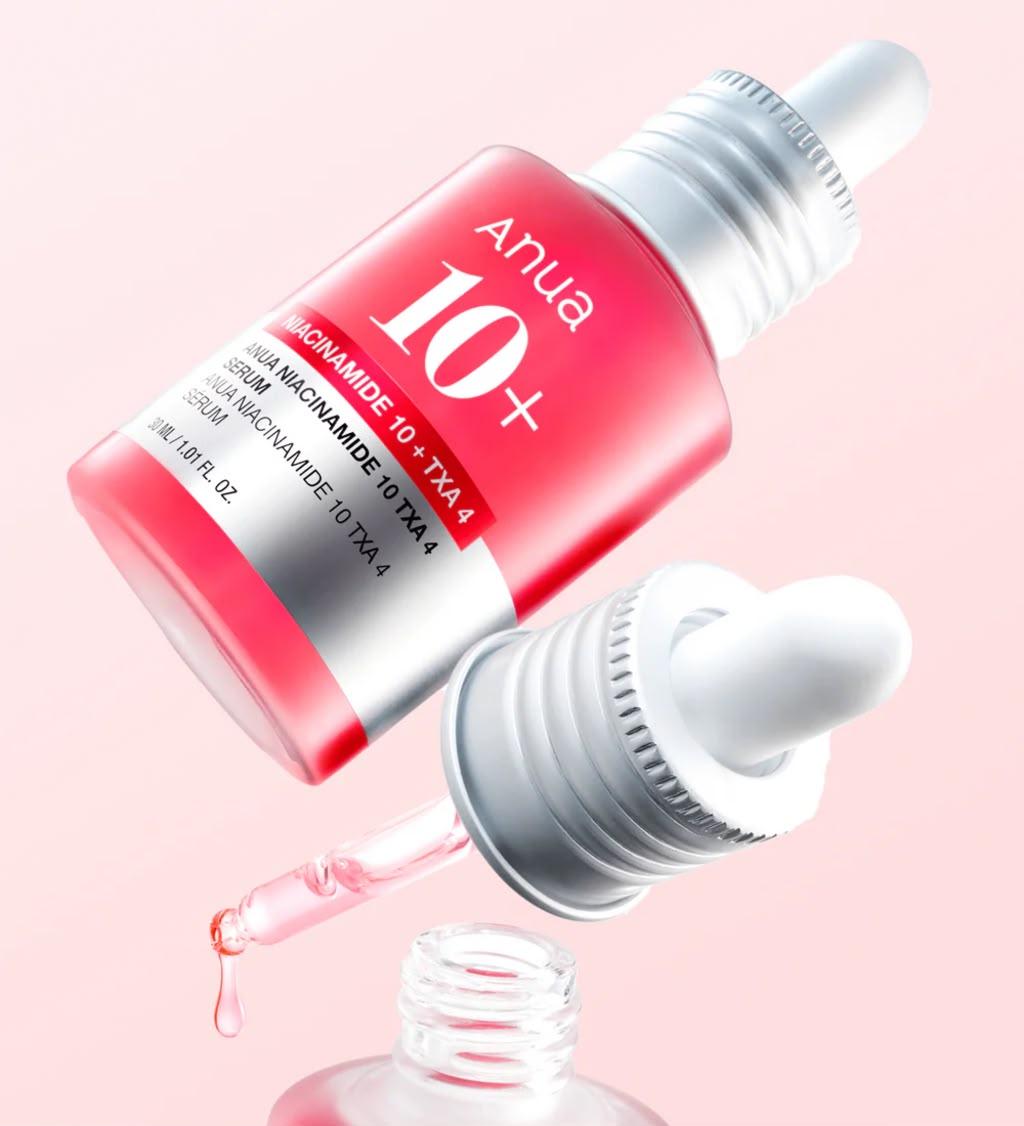 AnuaNiacinamide 10% and TXA 4% SerumView product
Your concern is a starting point, not a diagnosis. Learn what each concern may look like and how to build a calmer, more useful routine around it.
Acne can show up as tiny clogged bumps, blackheads, whiteheads, inflamed pimples, or deeper painful spots. Blackheads are open clogged pores; their dark color is not dirt, so scrubbing them harder will not help. Oil, dead skin cells, and inflammation can all play a part, which is why different breakouts may need different approaches.
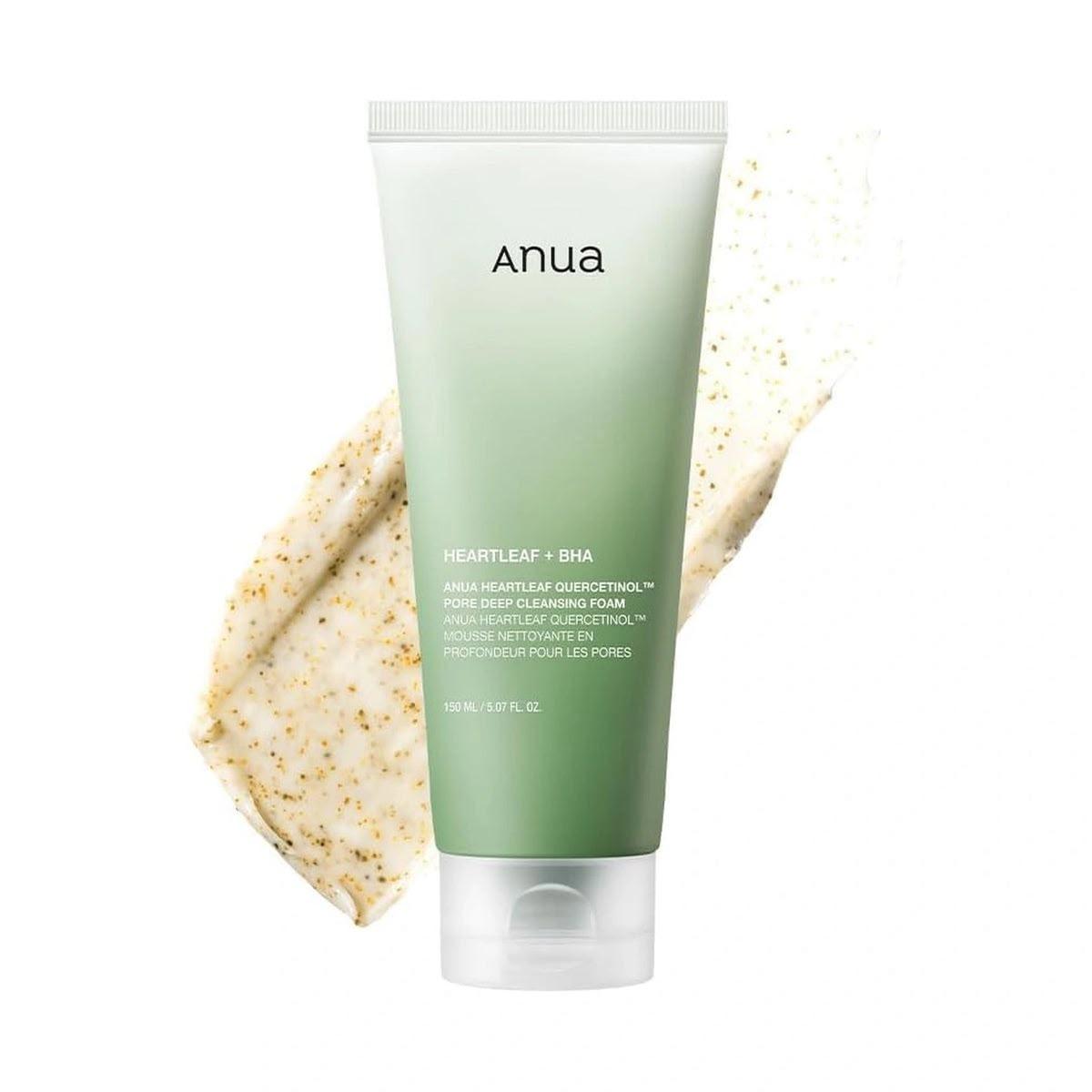 FROM OUR COLLECTION
Begin with a gentle cleanser, a moisturizer that suits acne-prone skin, and daily sunscreen. Salicylic acid can be useful for blackheads and whiteheads; azelaic acid is another option for acne and marks left behind. Add one treatment at a time, follow its directions, and give it several weeks before judging the result.
Keep in mind Avoid picking, harsh scrubs, and washing repeatedly. Deep, painful, scarring, or persistent acne is best assessed by a dermatologist.
A flat mark may remain after a pimple or another irritation has healed. This is often post-inflammatory discoloration rather than a textured acne scar. Sunlight and further irritation can make uneven tone harder to manage, and visible improvement usually takes time.
FROM OUR COLLECTION Start with consistent broad-spectrum SPF 30 or higher and treat the cause of new marks, such as ongoing acne. A tinted sunscreen with iron oxides may be especially helpful for discoloration. Vitamin C or azelaic acid can be considered for the appearance of existing spots; introduce one product gradually so you can tell how your skin responds.
Keep in mind Avoid picking and aggressive exfoliation, which can create more irritation. A new, changing, or unusual spot should be checked by a clinician.
Skin that feels tight after washing, looks dull, or becomes flaky may need more moisture and a gentler routine. Even skin that looks oily can feel dry or uncomfortable, particularly when strong cleansers or acne treatments are used. Weather, hot water, and frequent exfoliation may add to that discomfort.
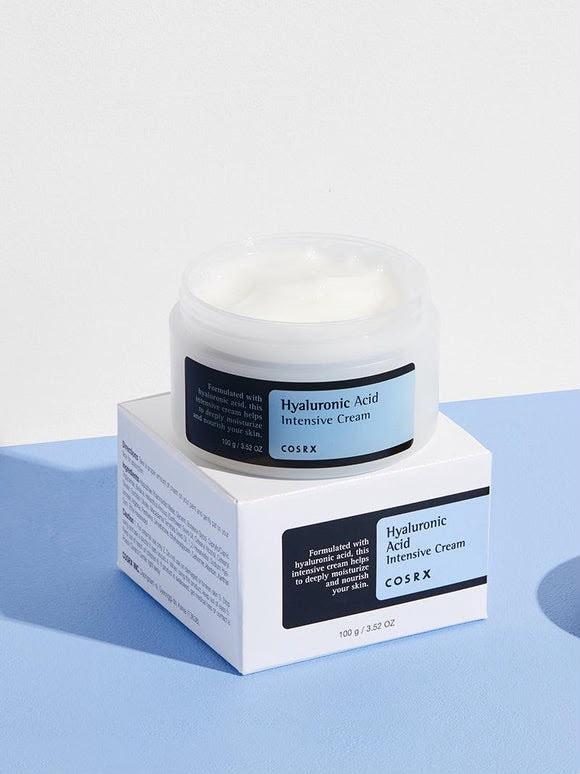 FROM OUR COLLECTION
Use lukewarm water and a mild cleanser, then apply moisturizer while skin is still slightly damp. Ingredients such as glycerin or hyaluronic acid can help a formula attract and hold water; a cream can help reduce moisture loss if a lighter product is not enough. Keep active treatments simple while your skin feels uncomfortable.
Keep in mind If skin becomes cracked, very itchy, painful, or does not improve, ask a dermatologist to check for an underlying skin condition.
Sensitive-feeling skin may sting, burn, itch, or look red after a product is applied. The trigger could be a fragrance, a strong active, over-cleansing, or a separate skin condition; the feeling alone does not identify the cause. A product described as natural can still irritate sensitive skin.
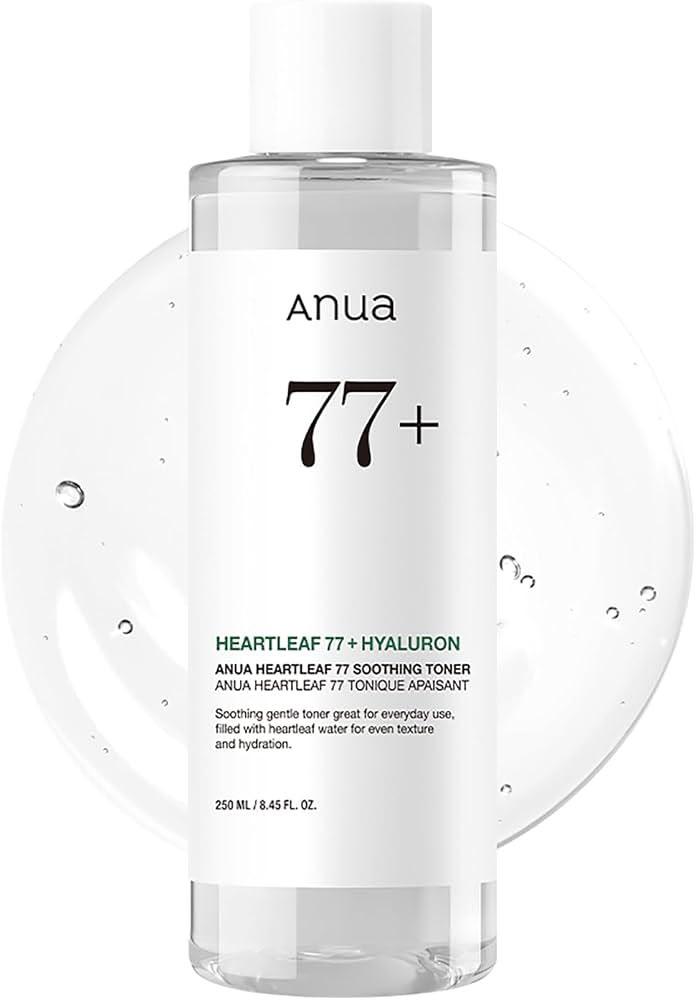 FROM OUR COLLECTION
Temporarily simplify to a gentle cleanser, a fragrance-free moisturizer, and sunscreen that feels comfortable. Pause products that are causing a reaction, then introduce new ones one at a time. Test a new product on a small area before using it across your face, and pay attention to how your skin responds over several days.
Keep in mind Choose labels that say ‘fragrance-free’ rather than only ‘unscented.’ Ongoing redness, burning, or rash deserves a dermatologist's advice.
Not sure which products fit your skin? Take the Zee Care skin quiz for a starting point tailored to your answers.
Help me choose For persistent skin problems, prescription treatments, or pregnancy-related questions, speak with a qualified clinician.